16
[ 16 ]

An Øbscüre Treat
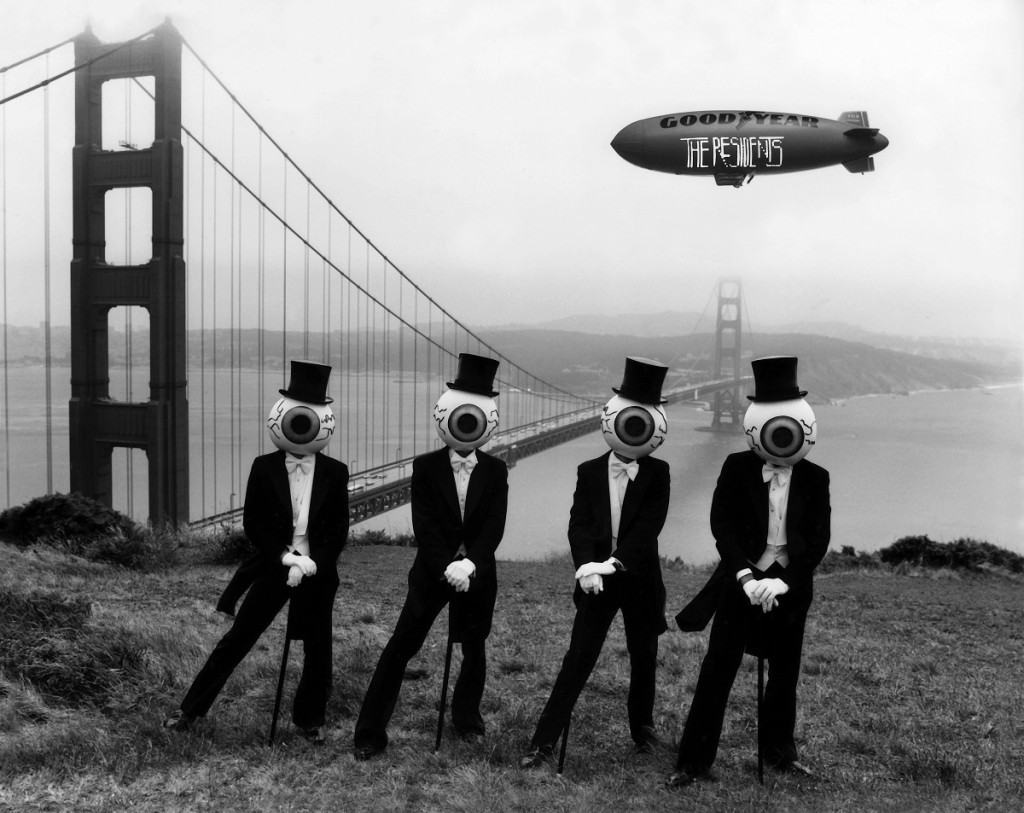
Santa Dog is a song (project-series) by
an American artist collective that was/is/and perhaps sometime in the
future will be again called The Residents. They are interesting in many
ways, they are recognised as being culturally important (e.g. by MOMA, the Museum
Of Modern Art New York) and are appreciated as innovative artistic
avantgarde (exploring arts forms, distribution
formats or media technologies and it's platforms) by many.
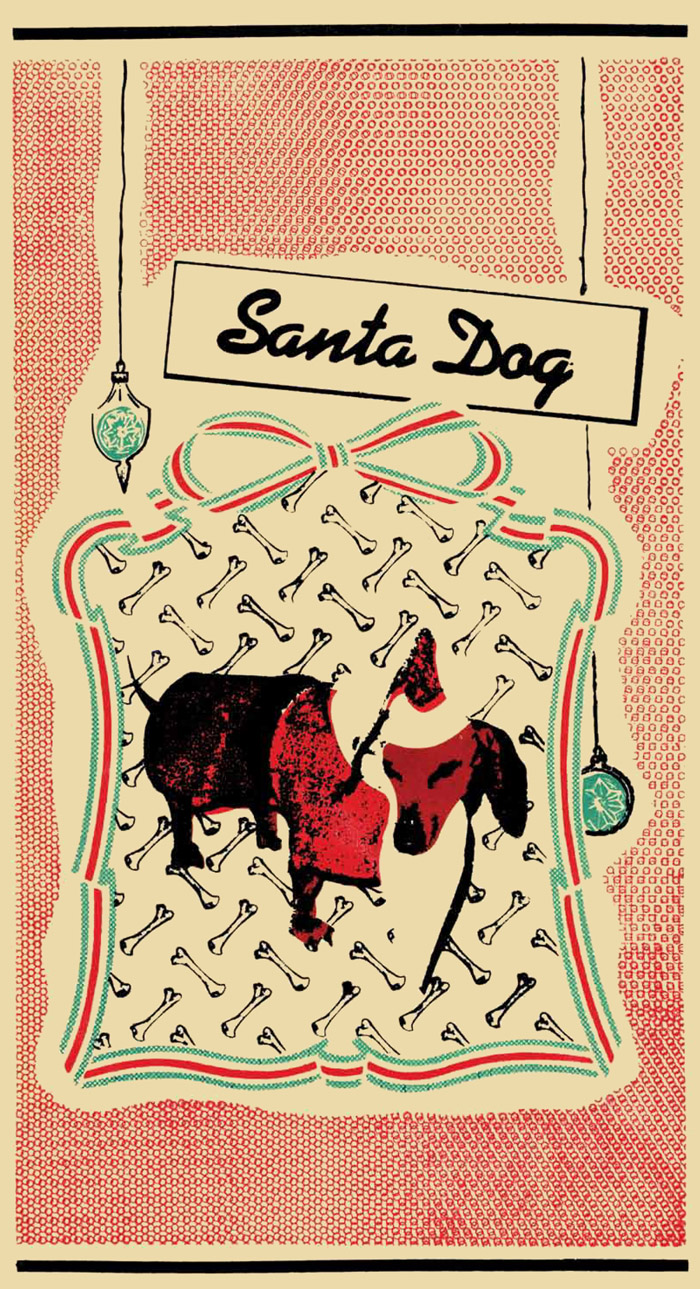
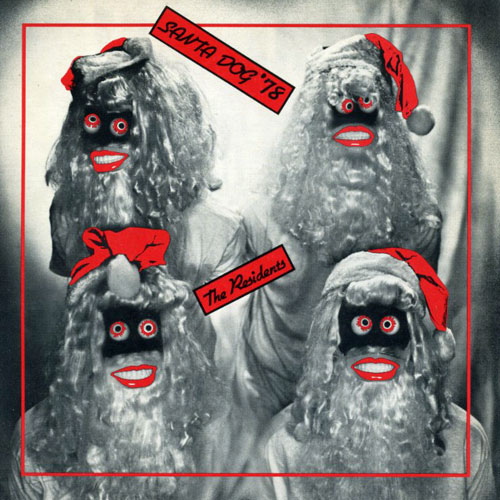
The 1972 package consisted of two vinyl 45s in a hand silk-screened gatefold sleeve which was printed to look like a Christmas card from an insurance company. (Appealing?)
Has no presents,
Has no presence
In the future...
...In the future
A fleeting and a sleeting scene of snowness and of sleeves
Bing, Bing, Bing, Bong, Bong, Bong, Snowness severed sleeves
A fleeting and a greeting scene of effervescent eves
Bing, Bing, Bing, Bong, Bong, Bong, Effervescent eves
Greeting and a meeting team of hoarse and frosty words
Bing, Bing, Bing, Bong, Bong, Bong, Hoarse and frosty words
A greeting and a cheating team and other noxious herbs
Bing, Bing, Bing, Bong, Bong, Bong, Other noxious herbs
A fleeting and a sleeting scene of snowness and of sleeves
Santa Dog
Has no presents
Has no presence
In the Future!
The variations of the song do not only indicate the Residents' creative progress over the years, but these variations reflect also the technological advances of music production techniques (and technologies) in general. And yet their creators' criticism of popular culture and music productions of the mainstream remains intact throughout. It is clearly audible whatever version they decided to release.

The Residents are also know (and loved) for their "Easter eggs" – a term used metaphorically for hidden songs, extra content, often found by chance, mistake and seemingly at random. Not really an Easter egg, more a musical reference, the 1988 version begins with another popular song, popular particularly in the
English-speaking world. It is traditionally sung to bid farewell to the
old year at the stroke of midnight on New Year's Eve. Which song it is is revealed at the bottom* of this post, but keep reading and listening. The next version takes you to the East, which kind of relates to (*) too.
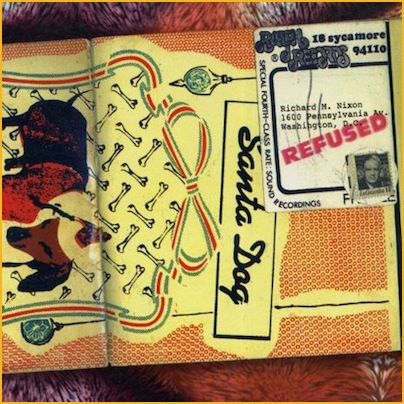


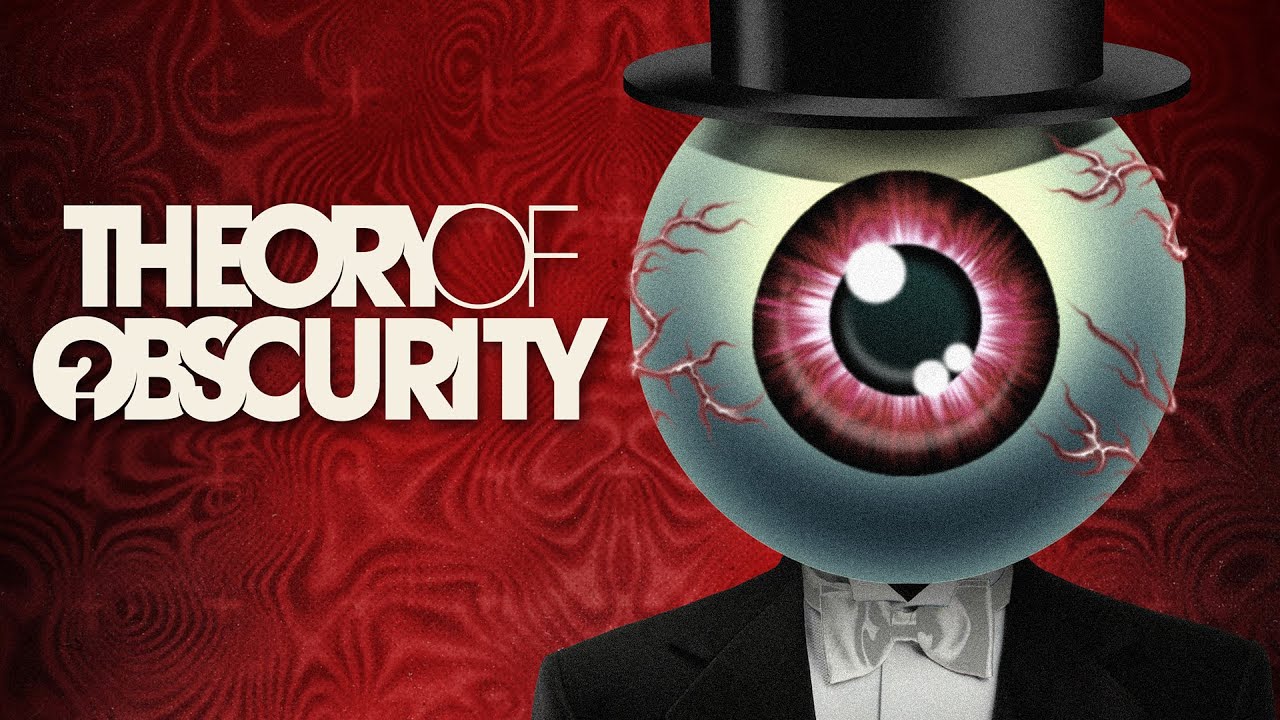
Many more versions of Santa Dog exist, ... but would anybody need more to get into festive mood ? If you have not warmed yourself enough just yet to the Santa-Dog-idea, ... , or you are intrigued to find out more about the Residents, and their idea of obscurity as creative device, ... take a look at Theory of Obscurity. (2016) It is a crowd-funded movie that shed a little light onto the Residents myth, at least as much as you can in one-and-a-half-hour. I saw it appears on the Tube to test stream.